Amazon wholesale transformed completely in 2026 – cold-calling suppliers and begging for distribution rights produces less than 8% success rates.
Smart sellers now flip the script entirely, positioning themselves as the solution to brands’ existing problems rather than another desperate reseller.
The old wholesale game meant endless rejections, ignored emails, and competing against thousands of other sellers for scraps.
Today’s successful wholesale sellers earn $15,000 to $75,000 monthly by identifying brands that need their help rather than pleading with brands for a chance.
How to Start Amazon Wholesale Business | Complete Requirements Checklist
Module 1 | Legal & Financial Foundations
Setting up proper business foundations isn’t optional – it determines your credibility with suppliers and Amazon’s approval algorithms. Smart wholesale sellers invest $2,000 to $5,000 upfront to establish legitimacy.
Business Registration Essentials
Form an LLC through your state’s Secretary of State office ($50-$500 depending on location).
Register for an Employer Identification Number (EIN) through the IRS website – completely free and takes 10 minutes online. This number appears on all supplier communications and proves business legitimacy.

Apply for a reseller certificate through your state’s Department of Revenue. This document allows tax-free wholesale purchases and signals serious business intent to suppliers. Processing typically takes 2-4 weeks, so start early.
Capital Requirements Reality Check
Minimum order quantities (MOQs) from wholesale suppliers range from $2,000 to $15,000 per brand. Successful wholesale businesses maintain 60-90 days of inventory, meaning initial capital requirements hit $10,000 to $50,000 for sustainable operations.
Budget breakdown for first six months:
Module 2 | The Old Way vs. The SmartScout Way
Traditional Wholesale Approach Failures

Traditional wholesale prospecting produces dismal results. Sellers spend months researching potential brands through Google searches, compile contact lists, and send generic inquiry emails. Response rates hover around 3-5%, with approval rates dropping to 1-2%.
The “spray and pray” method involves:
Data-Driven SmartScout Strategy
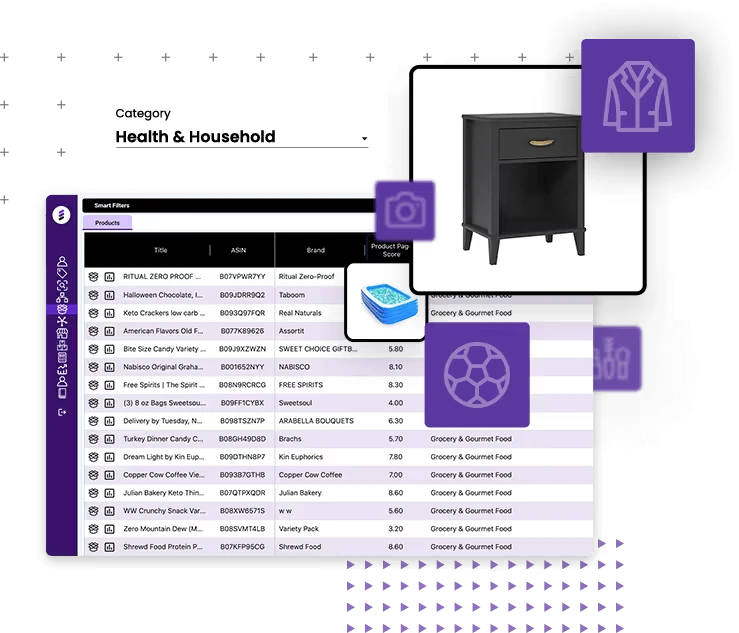
SmartScout reverses the entire process by identifying brands with existing operational problems on Amazon. Instead of begging for opportunities, sellers present solutions to visible challenges.
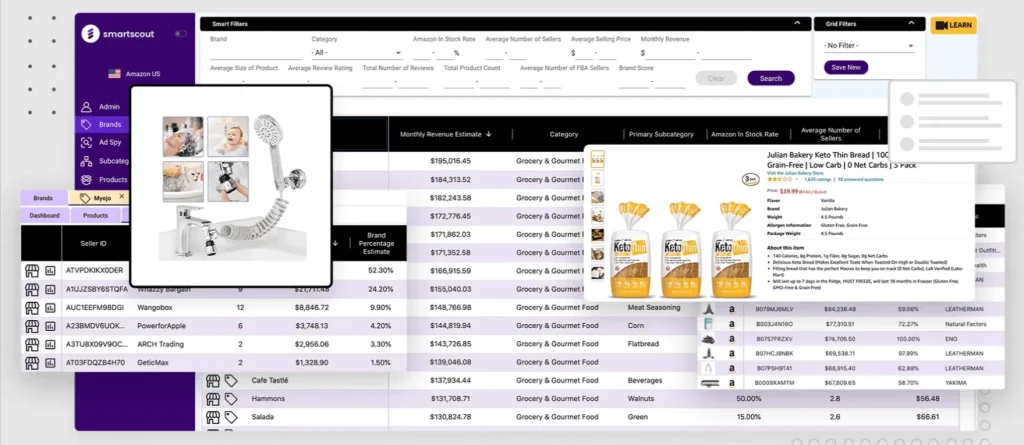
The SmartScout approach targets brands showing specific distress signals:
This strategy produces 40-60% response rates because messages address real business problems rather than generic partnership requests.
Module 3 | Finding Underserved Brands with SmartScout
Step-by-Step Brand Discovery Process
Access SmartScout’s Brands tool through their main dashboard. This database contains over 2 million Amazon brands with detailed performance metrics unavailable anywhere else. New users can save 25% for their first 3 months using code BLOGA25 during registration.
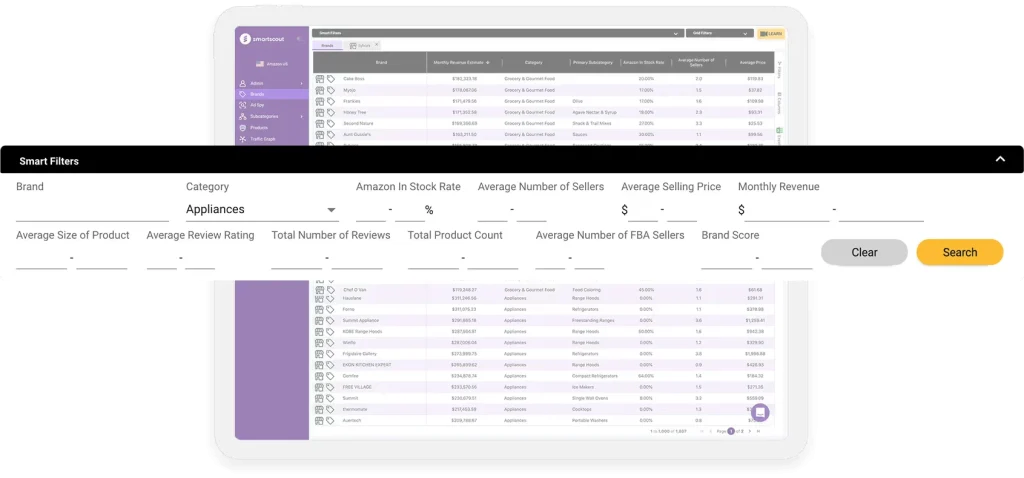
Filter Configuration:
Save 25% on SmartScout Brand Tool

Unlock access to 2M+ Amazon brands with advanced insights. New users enjoy 25% off first 3 months.
Advanced Filtering Techniques:
Apply Category Filters to match your expertise. Electronics brands show different patterns than home goods or beauty products. Beauty brands with poor in-stock rates often indicate seasonal demand mismanagement, while electronics brands suggest supply chain disruptions.
Use Growth Rate Filters to identify brands with increasing demand but static inventory management. Brands showing 20-50% month-over-month growth with declining in-stock rates represent prime opportunities.
Verification Process:
Cross-reference filtered results using SmartScout’s Historical Data feature. Brands showing consistent stockout patterns over 3-6 months indicate systemic problems rather than temporary issues. These represent sustainable partnership opportunities.

Export filtered brand lists and analyze Top Products for each candidate. Brands with 5-15 core SKUs are easier to manage than those with 100+ products requiring complex inventory coordination.
Module 4 | Crafting the Perfect Pitch

Solution-Focused Communication Templates
Traditional wholesale emails fail because they focus on seller needs rather than brand problems. Successful pitches position sellers as inventory management specialists solving visible challenges.
1. Email Template for Low In-Stock Brands:
Subject: [Brand Name] – Amazon Inventory Management Solution
“Hi [Contact Name],
I noticed [Brand Name] products frequently show ‘out of stock’ on Amazon, particularly [specific product]. My company specializes in Amazon inventory management for growing brands like yours.
We maintain 90+ day inventory buffers and guarantee 99% in-stock rates through predictive ordering systems. This ensures you capture 100% of Amazon demand without tying up excessive working capital.
Would you be interested in a brief call to discuss how we’ve helped similar brands increase Amazon revenue 25-40% through improved availability?“
2. Email Template for Over-Distributed Brands:
Subject: [Brand Name] – Amazon Distribution Management Consultation
“Hi [Contact Name],
I see [Brand Name] has [X number] sellers on Amazon, which often leads to pricing conflicts and MAP violations. My team helps brands consolidate their Amazon presence through authorized distributor partnerships.
We’ve helped brands reduce their seller count from 10+ down to 2-3 authorized partners while increasing total revenue through better pricing control and marketing coordination.
Happy to share a case study of how we accomplished this for [similar brand] if you’re interested.“
Follow-Up Sequence Strategy
Most brands won’t respond to initial outreach – successful wholesale sellers use systematic follow-up sequences spanning 4-6 weeks.
Follow-up Schedule:
Each follow-up adds value rather than repeating the same request. Attach SmartScout screenshots showing their stockout patterns or competitor analysis demonstrating lost market share.
Building Your Wholesale Portfolio
Successful Amazon wholesale isn’t about finding single products – it’s about building a defensible portfolio of exclusive brand partnerships. Each approved brand becomes a strategic asset generating recurring revenue for years.
Portfolio Development Strategy
Target 5-8 core brand partnerships rather than 20+ scattered relationships. Deeper partnerships with fewer brands produce higher profits and stronger competitive moats than surface-level distribution deals.

Prioritize brands offering exclusive territory rights or authorized distributor status. These partnerships provide legal protection against unauthorized sellers and justify premium pricing strategies.
Long-term Relationship Management
Wholesale success depends on proving value beyond just moving inventory. Successful sellers become strategic partners by providing market intelligence, competitor analysis, and customer feedback to their brand partners.
Monthly brand reports should include:
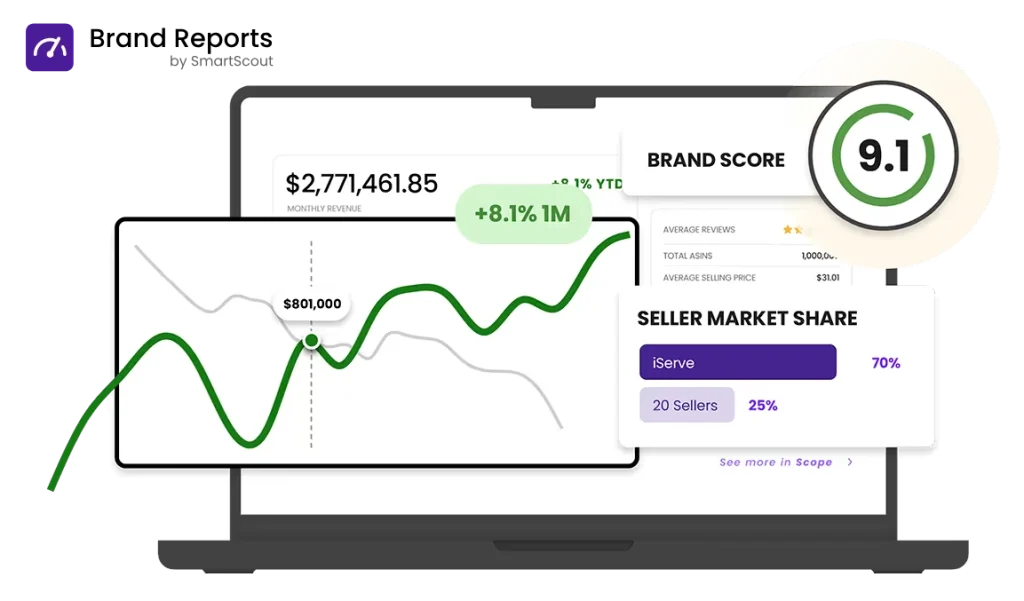
Partnership Profitability Metrics:
Target gross margins between 20-35% after all Amazon fees and costs. Brands offering less than 18% margins rarely justify the time investment required for wholesale relationships.
Calculate Customer Lifetime Value (CLV) for each brand partnership. Strong wholesale relationships produce $50,000 to $200,000 annual revenue per brand, making individual partner acquisition costs of $2,000-$5,000 easily justifiable.
The wholesale business model rewards patience and relationship-building over quick flips. Successful sellers view SmartScout as their competitive intelligence system, identifying opportunity before competitors recognize problems exist.
Try SmartScout with 25% savings for 3 months using code BLOGA25 and begin building your first strategic brand partnership today. The brands you contact this week could become the foundation of your six-figure wholesale business in 2026.

Affiliate Disclosure: This post may contain some affiliate links, which means we may receive a commission if you purchase something that we recommend at no additional cost for you (none whatsoever!)